Free shipping on orders over $100


Cocoa Nib–Infused Chocolate Stout
Posted by William Lang on Jan 25 2026
Cocoa Nib–Infused Chocolate Stout
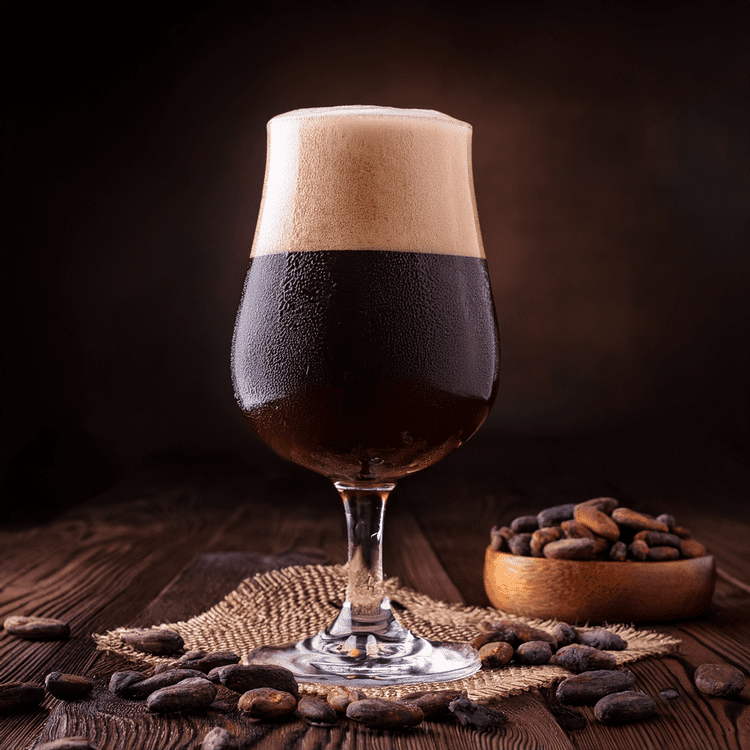
This cocoa nib–infused chocolate stout is designed for home brewers who want authentic chocolate flavor
without artificial extracts or sweeteners. By using organic cocoa nibs, the beer develops deep cocoa,
coffee, and roasted malt notes that integrate naturally over time.
A Brief History of Beer
Beer is one of humanity’s oldest fermented beverages, dating back more than 7,000 years.
Early beers were often flavored with herbs, spices, and botanicals. Dark beers such as porters
and stouts later emerged in England, prized for their roasted character—making them a natural
canvas for cocoa.
Ingredients & Why They Matter
- Maris Otter Malt: Provides a rich, bready backbone.
- Flaked Oats: Enhance mouthfeel and head retention.
- Chocolate Malt: Reinforces cocoa aroma.
- Roasted Barley: Adds classic stout bitterness and color.
- Crystal 60L: Balances roast with subtle caramel notes.
- Organic Cocoa Nibs: Deliver pure chocolate flavor without sweetness.
Complete Beer Brewing Process
Step 1: Sanitation
Before brewing, sanitize all equipment that will touch the wort or beer. Proper sanitation
prevents contamination and off-flavors.
Step 2: Mashing
Heat 3.5 gallons of water to 165°F. Add crushed grains and hold at 152°F for 60 minutes.
This process converts starches into fermentable sugars.
Step 3: Lautering & Sparging
Drain the sweet wort from the mash and rinse the grains with 170°F water until you collect
approximately 6.5 gallons of wort.
Step 4: Boiling
Boil the wort for 60 minutes. Add hops at the beginning of the boil for bitterness.
The boil sterilizes the wort and concentrates flavors.
Step 5: Cooling
Rapidly cool the wort to 66–68°F using a wort chiller or ice bath. Fast cooling improves clarity
and reduces contamination risk.
Step 6: Fermentation
Transfer cooled wort to a fermenter and pitch yeast. Ferment for 10–14 days at 66–68°F.
During this stage, yeast converts sugars into alcohol and CO₂.
Step 7: Cocoa Nib Infusion
Lightly toast cocoa nibs at 300°F for 10 minutes. Cool, then soak in vodka for 3–5 days.
Add the tincture to the beer after primary fermentation for controlled chocolate flavor.
Step 8: Conditioning
Allow the beer to condition for 1–2 weeks. This step smooths flavors and integrates cocoa notes.
Step 9: Packaging
Bottle with priming sugar or keg and carbonate to a slightly lower level for a fuller mouthfeel.
Allow bottles to condition for 2 weeks before serving.
Helpful Brewing Tips
- Avoid cocoa powder or syrup due to fat content
- Start with less cocoa nibs and adjust to taste
- Extended aging improves chocolate integration
Estimated Nutrition Facts (Per 12 fl oz)
- Calories: 190
- Total Fat: 0g
- Carbohydrates: 18g
- Protein: 2g
- Alcohol: ~6.2% ABV
Featured Ingredient
This recipe features Lang’s Chocolates Organic Cocoa Nibs,
crafted from premium cocoa beans and lightly roasted to preserve complex chocolate aromatics.