


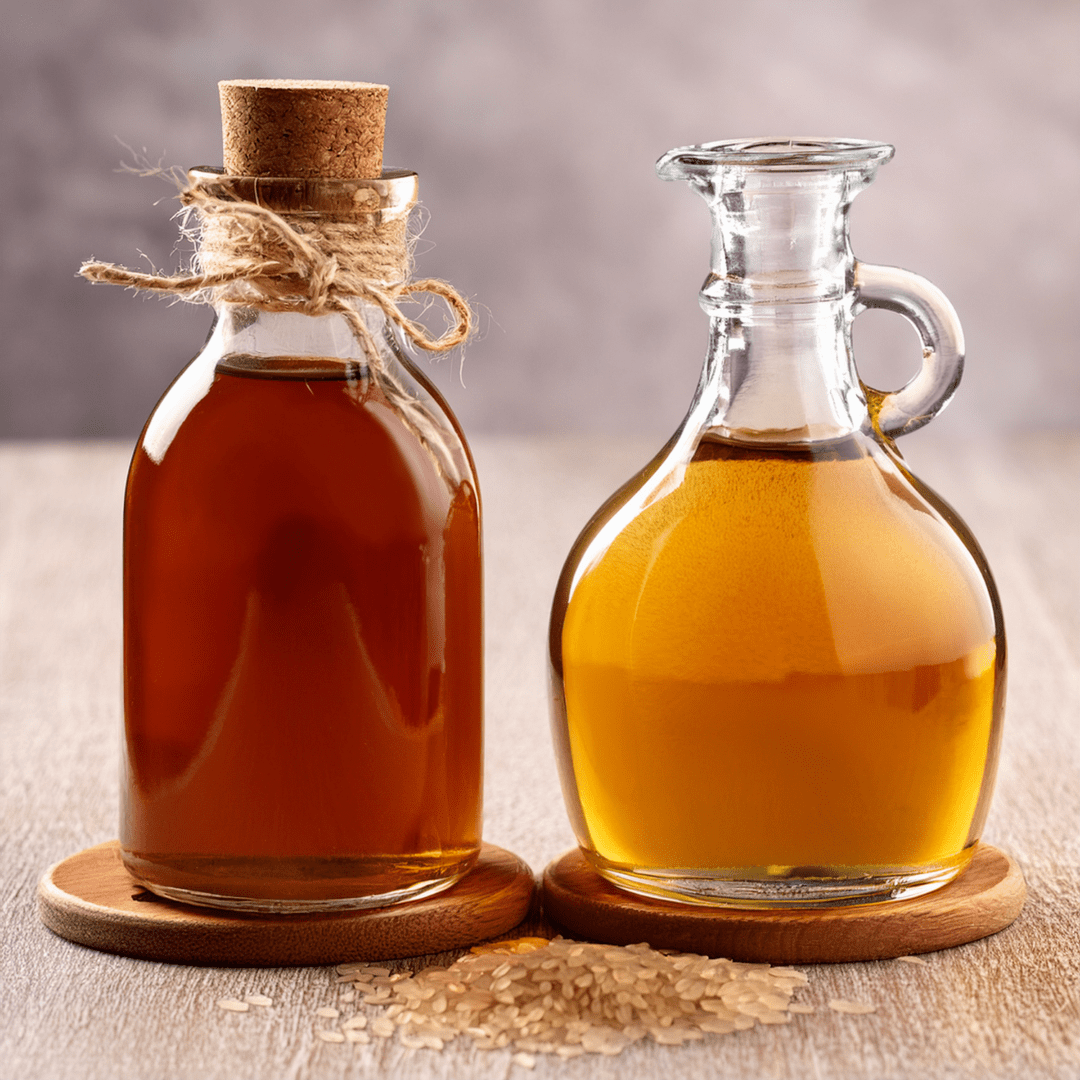
Agave Syrup vs. Brown Rice Syrup: Which Sweetener Is Better for Baking, Blood Sugar & Everyday Use?
If you’ve ever stood in the natural sweetener aisle debating between Agave syrup and Brown rice syrup, you’re not alone. Both are marketed as “natural alternatives” to refined sugar, but they behave very differently in your body — and in your recipes.
In this complete guide, we’ll break down:
- How each sweetener is made
- Nutrition facts comparison
- Glycemic impact
- Pros and cons
- Baking and product development uses
- Which one is better for blood sugar
- FAQs people actually search for
What Is Agave Syrup?
Agave syrup (also called agave nectar) is derived from the sap of the agave plant. The liquid is filtered and processed with enzymes to convert carbohydrates into simple sugars.
What makes agave unique?
Agave is very high in fructose, often higher than table sugar. Because fructose tastes sweeter than glucose, agave is:
- Sweeter than white sugar
- Sweeter than brown rice syrup
- Used in smaller amounts to achieve the same sweetness
It has a thin consistency and dissolves easily — especially in cold drinks.
What Is Brown Rice Syrup?
Brown rice syrup is made by cooking brown rice and breaking down its starches using enzymes. This converts the starch into glucose-based sugars.
Unlike agave, brown rice syrup contains:
- Mostly maltose
- Some glucose
- Very little to no fructose
It is:
- Less sweet than sugar
- Thick and sticky
- Mildly nutty or malty in flavor
Its texture makes it particularly useful in chewy foods.
Nutrition Facts Comparison (Per 1 Tablespoon)
Values may vary slightly by brand. Always check your label.
| Nutrient | Agave Syrup | Brown Rice Syrup |
|---|---|---|
| Calories | ~60 | ~55–65 |
| Carbohydrates | ~16g | ~15–17g |
| Total Sugars | ~15–16g | ~12–14g |
| Fat | 0g | 0g |
| Protein | 0g | 0g |
| Fiber | 0g | 0g |
| Primary Sugar | Fructose | Maltose / Glucose |
| Glycemic Index | Low (10–30) | Moderate to High (60–95) |
Blood Sugar & Metabolic Impact
Agave Syrup
Agave has a low glycemic index, meaning it causes a slower rise in blood sugar. However:
- It is high in fructose
- Fructose is metabolized in the liver
- Excess fructose intake over time may contribute to fatty liver and metabolic strain
Low GI does not automatically mean “healthy.” It simply describes short-term glucose response.
Brown Rice Syrup
Brown rice syrup is primarily glucose-based. This means:
- It raises blood sugar more directly
- It has a higher glycemic index
- It does not carry a heavy fructose load
For individuals avoiding fructose specifically, brown rice syrup may be preferred — though it still impacts blood sugar significantly.
Taste & Texture Comparison
| Feature | Agave | Brown Rice Syrup |
|---|---|---|
| Sweetness | High | Mild |
| Flavor | Neutral | Nutty, malty |
| Thickness | Thin | Thick, sticky |
| Best Texture Impact | Adds moisture | Adds chew & binding |
Best Uses
Agave Syrup
- Iced coffee & tea
- Smoothies
- Yogurt bowls
- Salad dressings
- Light baked goods
- Honey substitutes
Why it works: It dissolves easily and doesn’t thicken liquids.
Brown Rice Syrup
- Granola bars
- Energy bars
- Protein bars
- Cereal clusters
- Chewy cookies
- Asian-style glazes
Why it works: Its sticky consistency acts as a natural binder. Perfect for chewy textures.
Pros & Cons
Agave Syrup
Pros:
- Sweeter — use less
- Low glycemic index
- Neutral flavor
- Easy to blend in cold drinks
Cons:
- Very high in fructose
- Easy to overconsume
- Highly processed
- Still an added sugar
Brown Rice Syrup
Pros:
- Low fructose
- Great binder
- Mild flavor
- Creates chewy texture
Cons:
- Higher glycemic impact
- Less sweet (may require more)
- Thick and harder to mix in cold beverages
- Still contributes significant carbs
Baking Tips & Substitutions
When deciding which syrup to use:
- Choose agave for moisture without density, smooth blending, and higher sweetness with less volume.
- Choose brown rice syrup for chewy texture, structure, and mild malt flavor.
- Substitution tip: reduce agave by 20–30% if swapping for brown rice syrup.
Frequently Asked Questions (FAQ)
Is agave better than brown rice syrup for diabetics?
Agave has a lower glycemic index but is high in fructose. Both are added sugars and should be consumed cautiously.
Which sweetener is more natural?
Both undergo processing. “Natural” is largely a marketing term.
Does brown rice syrup spike insulin?
Yes, it is glucose-based and can raise blood sugar and insulin levels more quickly than agave.
Why is agave sweeter than sugar?
Because it is high in fructose, which tastes sweeter than glucose.
Which one is better for granola bars?
Brown rice syrup. Its thick, sticky texture makes it ideal for binding ingredients and creating chewiness.
Final Verdict
There is no universal winner. The better choice depends on your:
- Metabolic goals
- Texture requirements
- Sweetness target
- Product formulation needs
Agave is sweeter and lower glycemic but higher in fructose. Brown rice syrup is lower in fructose but higher glycemic and better for binding. Understanding how each functions — not just how it’s marketed — helps you choose smarter.