


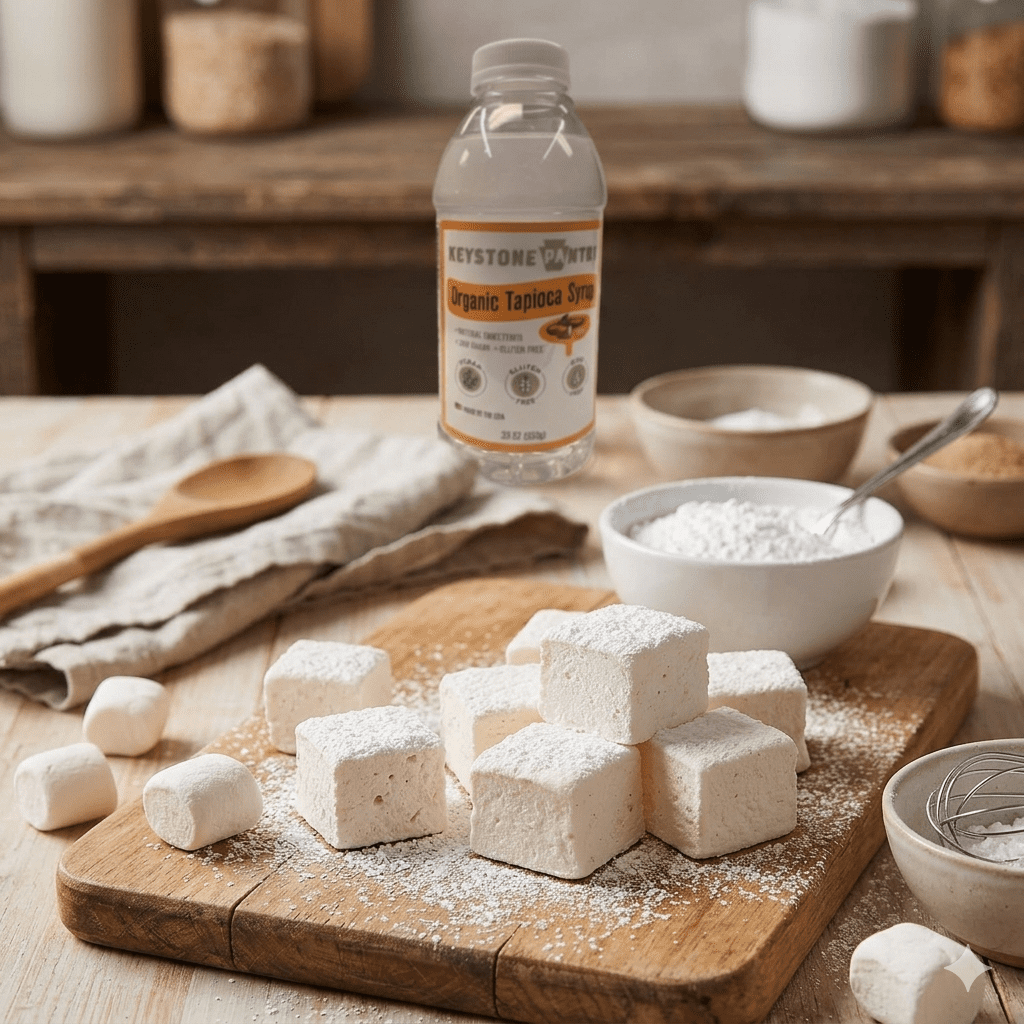
Mastering Homemade Marshmallows: The Ultimate Corn Syrup-Free Recipe Upgrade your Easter confections with the clean-label secret of Organic Tapioca Syrup. Why Ditch Corn Syrup for Tapioca Syrup? Traditional marshmallows rely on corn syrup to prevent sugar crystallization. However, modern bakers are turning to Organic Tapioca Syrup as a superior alternative. Derived from the cassava… Continue reading Corn Syrup-Free Marshmallow Recipe
Free shipping on orders over $100
Category: Guides & Education
Learn about the science, benefits, and techniques behind Lang’s Chocolates creations. From understanding sweeteners like allulose and organic syrups to pairing chocolate with drinks and mastering keto baking, these guides help you make smarter, tastier choices.
Honey vs. Brown Rice Syrup
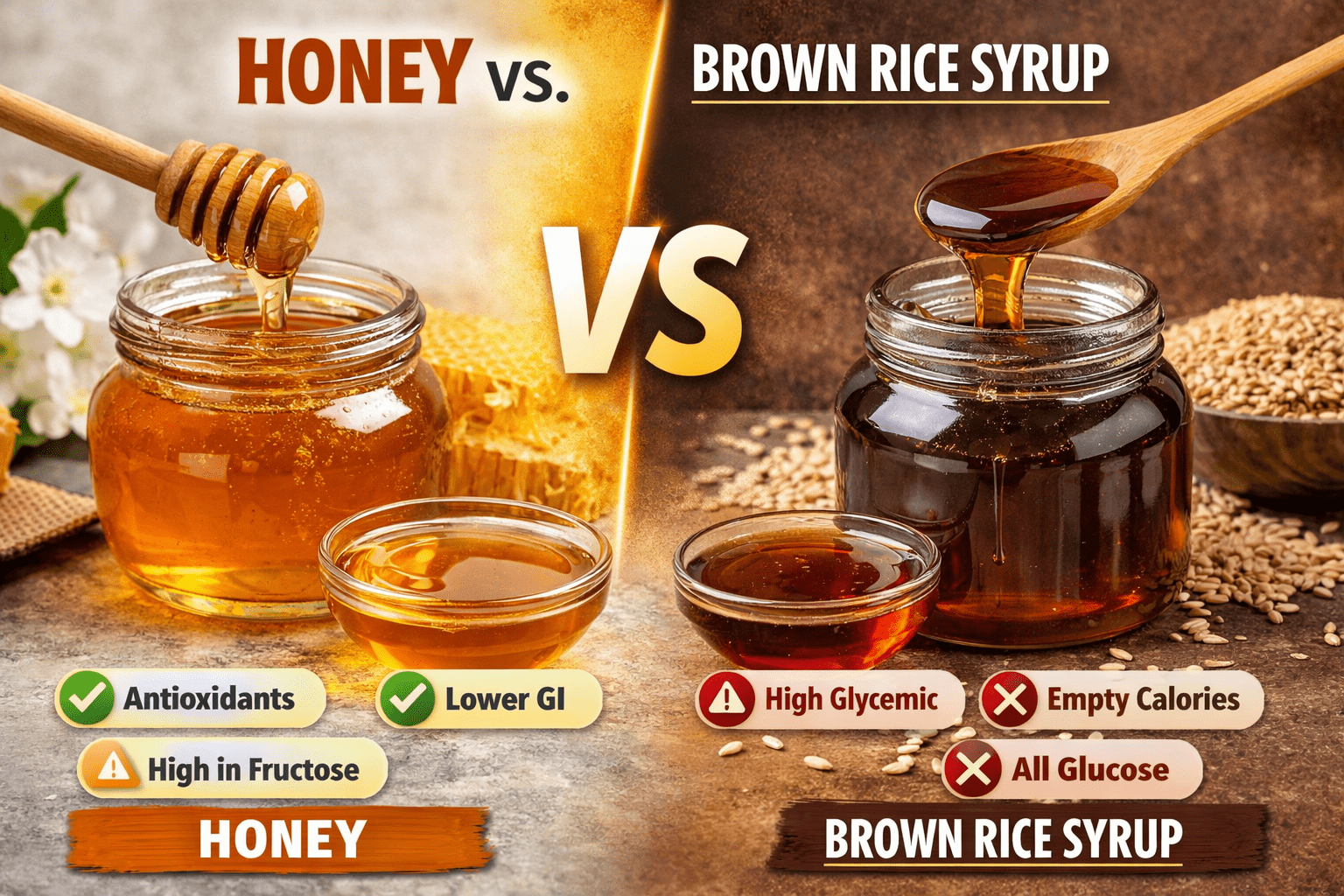
Honey vs. Brown Rice Syrup: Which Sweetener Is Healthier? Sweeteners are a staple in kitchens worldwide, but not all are created equal. Among natural options, honey and brown rice syrup are popular choices—but which is truly healthier? In this guide, we’ll explore their nutritional differences, health impacts, best uses, and answer common questions to help… Continue reading Honey vs. Brown Rice Syrup
Tapioca Syrup vs Maple Syrup
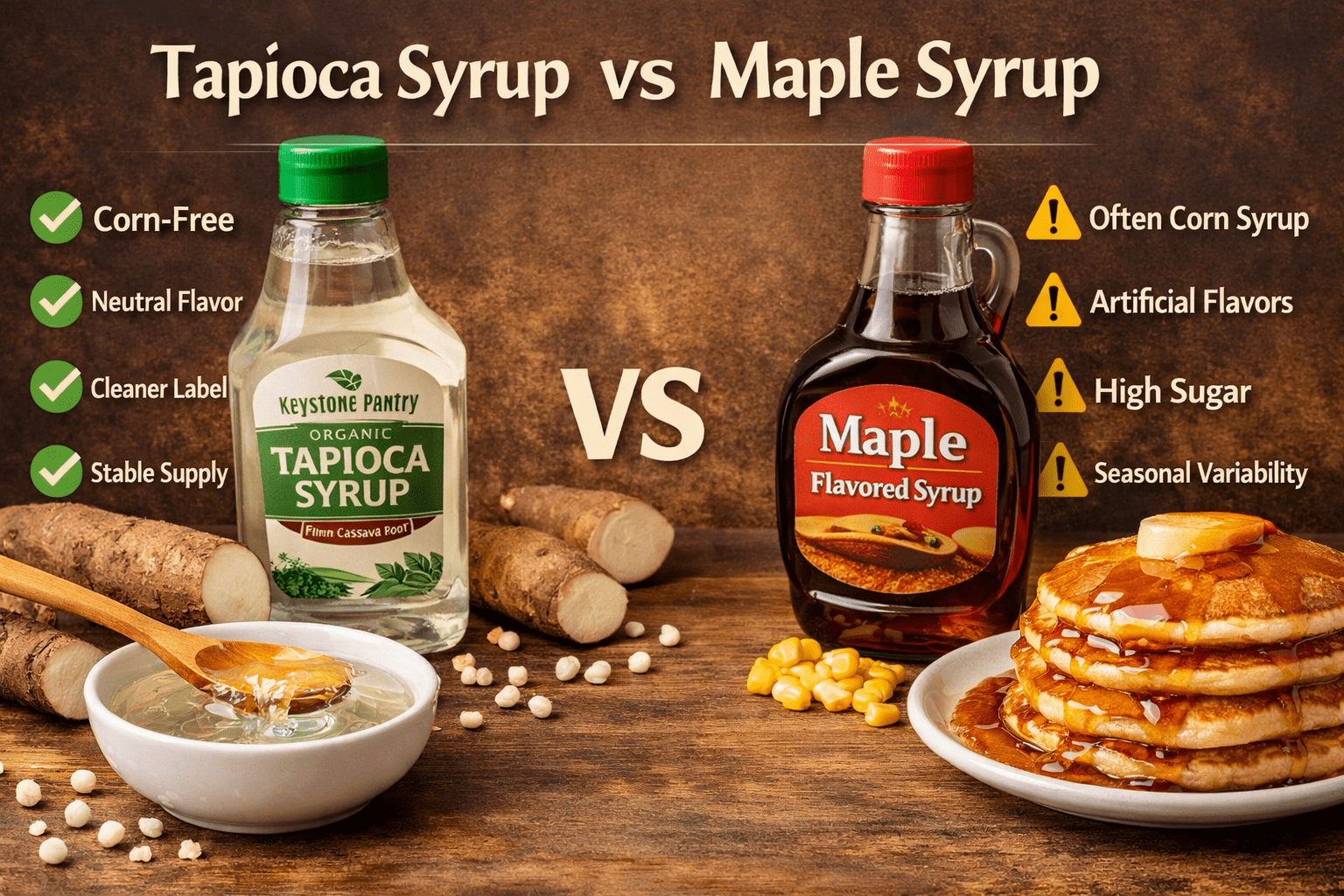
Tapioca Syrup vs Maple Syrup: Which Sweetener is Best for Modern Baking? Ingredient transparency matters more than ever. Discover how organic tapioca syrup compares to maple syrup in flavor, nutrition, and baking performance. Organic tapioca syrup vs maple syrup — ingredient transparency and functional differences. What Is Maple Syrup? What Is Organic Tapioca Syrup? Pros… Continue reading Tapioca Syrup vs Maple Syrup
Keystone Pantry Is Saving Chocolate
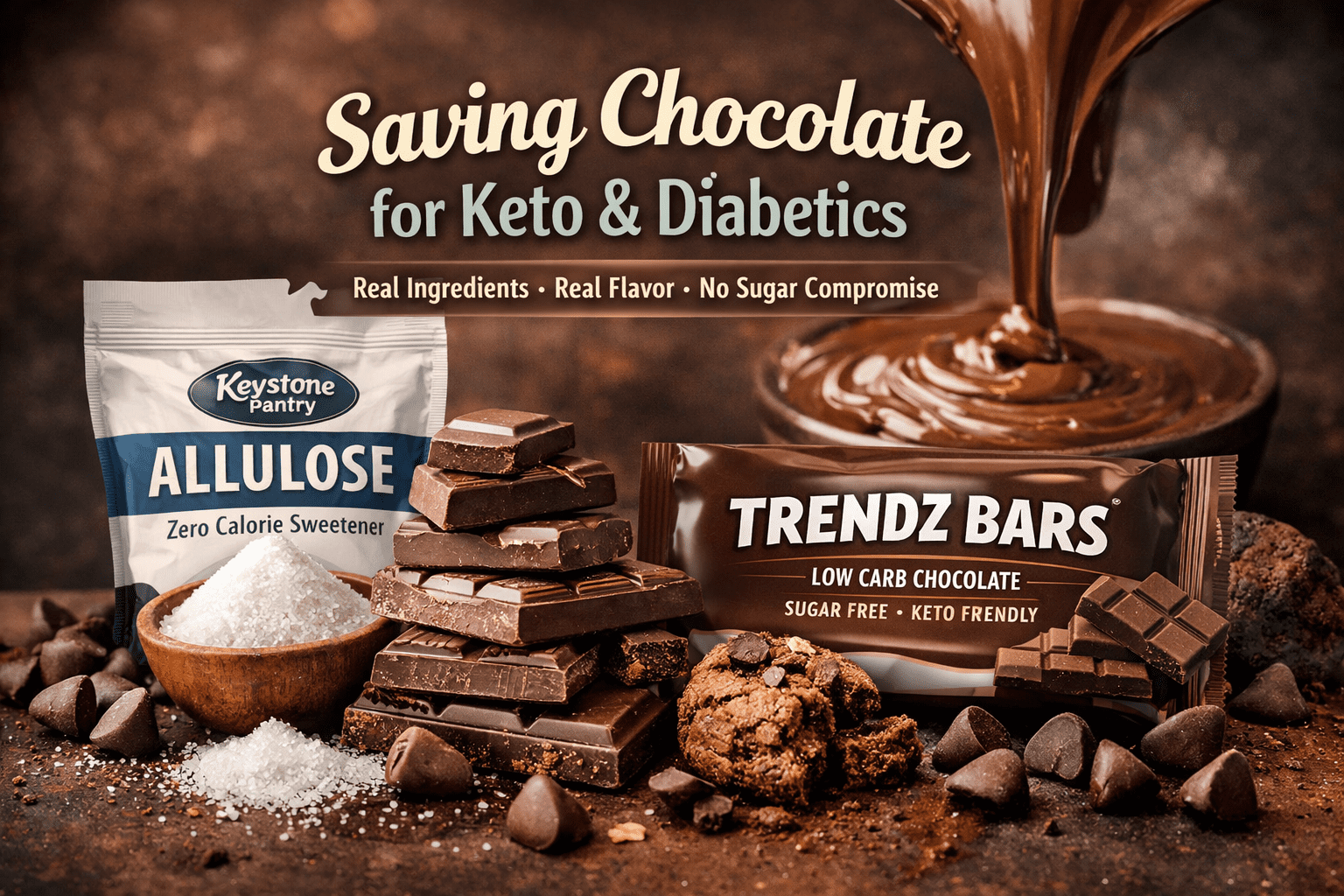
How Keystone Pantry Is Saving Chocolate for Keto and Diabetics The Story of Innovation, Real Ingredients, and a Better Way to Sweeten Chocolate For years, chocolate lovers on keto — and people managing diabetes — were told the same thing: Give it up. Chocolate was labeled “off limits.” Desserts became complicated science experiments. And most… Continue reading Keystone Pantry Is Saving Chocolate
The Ultimate Keto Copycat
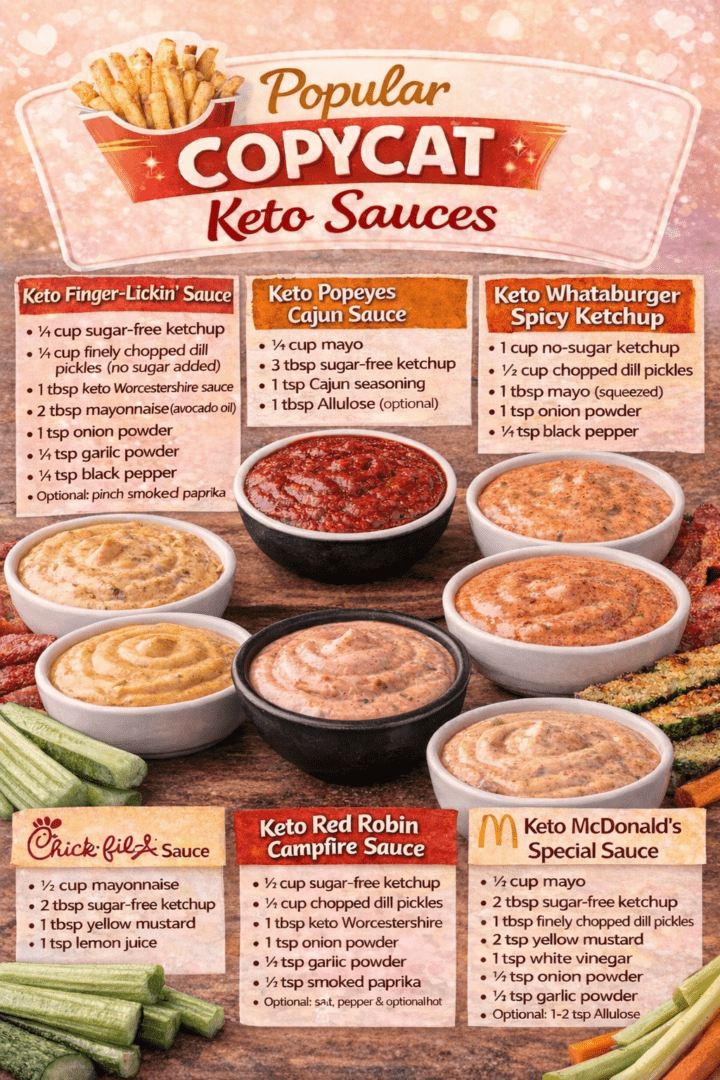
The Ultimate Keto Copycat Sauce Collection If you love bold fast-food flavors but don’t love the sugar or carbs, this collection is for you. We’ve recreated six iconic sauces inspired by America’s biggest chains — but rebuilt them from the ground up to be keto-friendly, low-carb, and made with clean ingredients. From creamy burger sauces… Continue reading The Ultimate Keto Copycat
Why Allulose Is Better
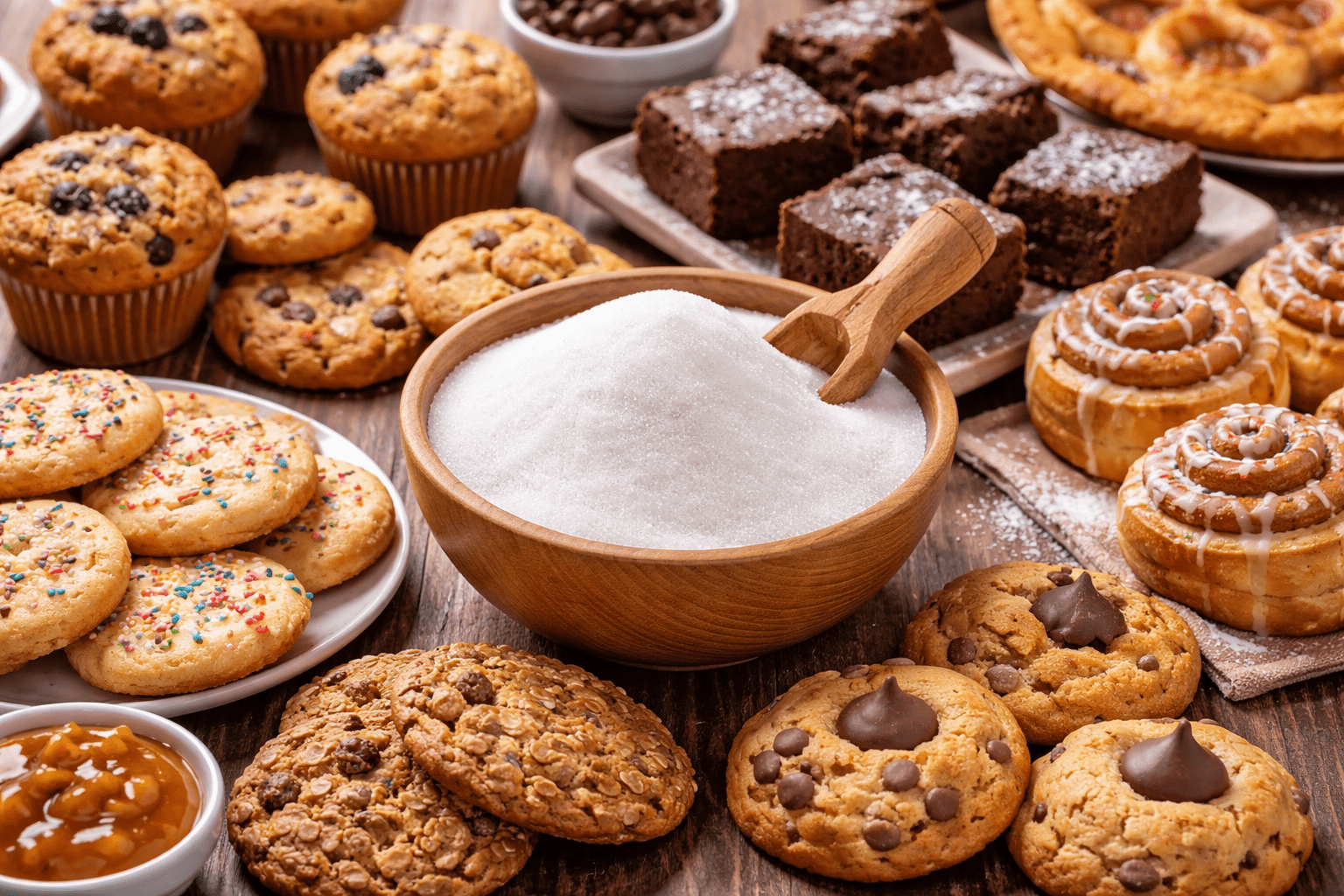
Why Allulose Is Better for Baking Than Stevia and Erythritol If you’ve ever tried sugar-free baking, you already know the struggle: cookies that spread wrong, cakes that feel dry, frostings with strange cooling sensations, and sweeteners that taste fine in coffee but fall apart under heat. The truth is simple — most sugar alternatives were… Continue reading Why Allulose Is Better
Peanut Butter Mousse Dessert Cups

Peanut Butter Mousse Dessert Cups These Peanut Butter Mousse Dessert Cups are made using Lang’s Chocolates Fillable Chocolate Dessert Cups . Handcrafted from premium chocolate, these petite, ribbed cups are the perfect edible base for elegant, bite-sized desserts. Filled with a light peanut butter mousse and finished with crushed peanuts, they deliver rich flavor with… Continue reading Peanut Butter Mousse Dessert Cups
Keto Worcestershire Sauce- Homemade
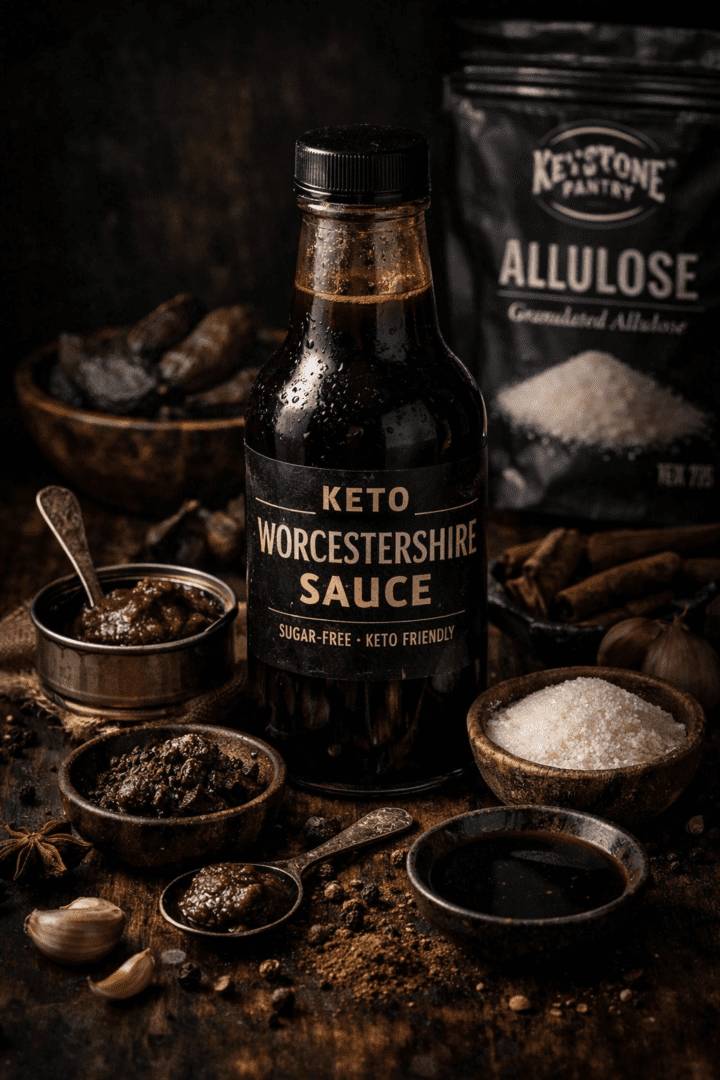
Keto Worcestershire Sauce (Sugar-Free & Low Carb) Most store-bought Worcestershire sauces hide sugar where you least expect it—usually in the form of molasses. This homemade keto Worcestershire sauce delivers the same deep, savory punch without the blood sugar spike, making it a staple for low-carb, sugar-free, and clean-label kitchens. Updated February 2026 · Optimized for… Continue reading Keto Worcestershire Sauce- Homemade
Magnesium Bedtime Drink
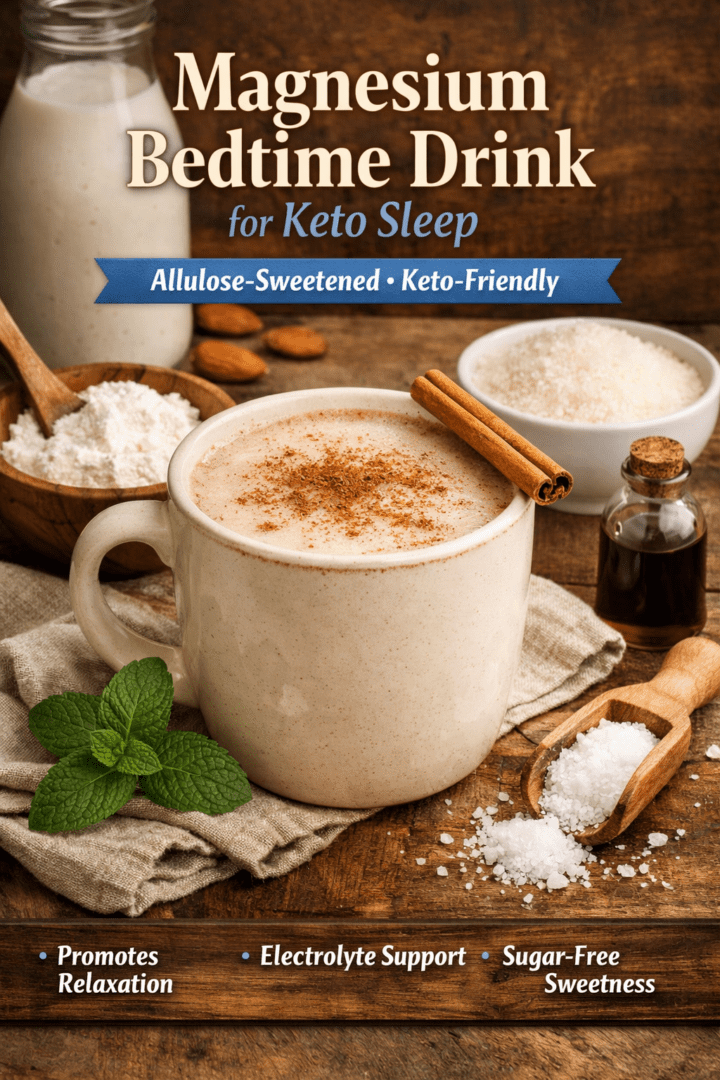
Magnesium Bedtime Drink for Keto Sleep (Allulose-Sweetened) A good night’s sleep is essential for keto success, yet magnesium deficiency is common on low-carb diets. This magnesium bedtime drink promotes relaxation, supports electrolyte balance, and keeps your blood sugar stable with allulose as the sweetener. Why Magnesium Matters on Keto Magnesium plays a crucial role in:… Continue reading Magnesium Bedtime Drink
Cocoa Nib–Infused Chocolate Stout
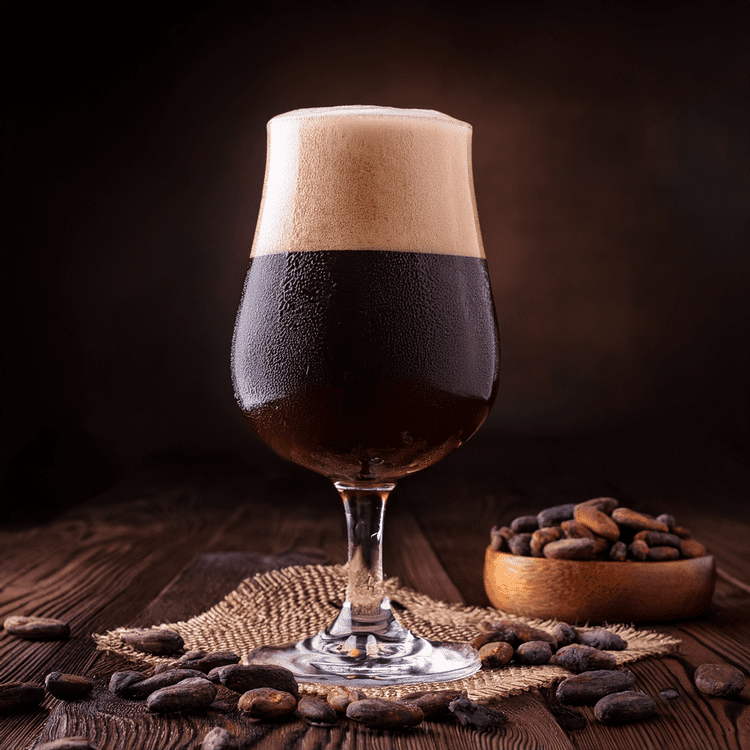
Cocoa Nib–Infused Chocolate Stout This cocoa nib–infused chocolate stout is designed for home brewers who want authentic chocolate flavor without artificial extracts or sweeteners. By using organic cocoa nibs, the beer develops deep cocoa, coffee, and roasted malt notes that integrate naturally over time. A Brief History of Beer Beer is one of… Continue reading Cocoa Nib–Infused Chocolate Stout